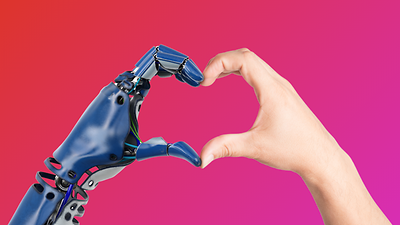
For a long while there, it felt like the tech world was obsessed with removing humans from the equation. We were sold a dream of frictionless automation where bots handled our queries, algorithms picked our movies, and “self-service” became the standard for everything from banking to buying a loaf of bread. But something shifted recently. Maybe we hit a wall of digital fatigue, or maybe we just realized that talking to a piece of code is, frankly, a bit soul-crushing. Whatever the reason, human interaction is quietly making a comeback in the digital products we use every day.
It’s not that we’ve suddenly turned our backs on convenience. We still love the speed of an app, but there’s a growing realization that efficiency alone is a bit… hollow. When things go wrong, or even when they’re going perfectly, we want to know there’s a living, breathing soul on the other side of the screen.
Beyond the Chatbot
You’ve probably been there: trapped in an endless loop with a chatbot that refuses to understand a simple question. It’s frustrating. Companies are finally starting to get the hint. Instead of hiding their human staff behind twelve layers of automated “help” articles, many brands are now leading with person-to-person support as a premium feature. We’re seeing a rise in “co-browsing” tools where a real representative can hop onto your screen and guide you through a complex task. It’s a huge relief—feeling less like you’re just another ticket number and more like someone is actually there to help you out.
This trend isn’t just about customer service, though. It’s showing up in how we entertain ourselves, too. You can see it in places like Lottoland, where live dealer formats show that users still value real human interaction, even in highly digital environments dominated by automation and efficiency. Seeing a real person shuffle physical cards or spin a wheel brings a sense of legitimacy and social connection that a random number generator simply can’t mimic. It’s that tiny spark of shared reality that makes the experience feel “real.”
The Rise of “Human-Centric” Design
So, what does this actually look like in practice? It’s often subtle. It’s the app that uses a conversational tone instead of cold, technical jargon. It’s the fitness platform that prioritizes live-streamed classes over pre-recorded videos because it’s just different when the instructor might actually call out your name.
· Live Commerce: Shopping isn’t just a list of items anymore; it’s a broadcast where hosts interact with viewers in real-time.
· Audio Spaces: Platforms are ditching text-only feeds for live audio rooms where you can hear the actual excitement in someone’s voice.
· Community Mentorship: Education apps are moving away from solo learning and toward “cohort-based” models where you learn alongside a real teacher.
Does this mean AI is dead? Of course not. But the role of AI is changing from “the voice you talk to” to “the tool that helps humans talk to each other better.” We’re looking for tech that facilitates connection rather than replacing it. We want the digital world to feel a bit more like the physical one—a little messy, a little unpredictable, but ultimately, deeply human.