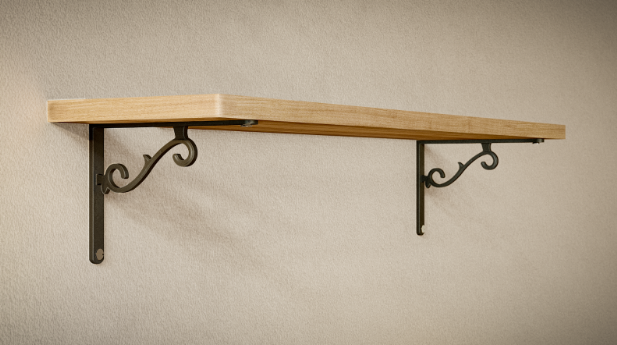
A&M brackets are widely used in various industries, especially in construction, engineering, and manufacturing. These brackets are designed to provide strong support, stability, and a reliable connection between different components. Understanding A&M brackets, their types, and applications can help professionals and DIY enthusiasts select the right bracket for their projects.
What Are A&M Brackets
A&M brackets are structural components typically made from high-quality materials such as stainless steel, aluminum, or reinforced plastic. Their main function is to join, support, or secure objects, panels, or machinery in a safe and stable way. The “A&M” often refers to a brand or a specific design standard, known for durability and precision in its manufacturing process.
These brackets are engineered to withstand heavy loads, resist corrosion, and maintain structural integrity over time. They are commonly used in both commercial and residential projects and are essential in construction, shelving systems, furniture, and industrial machinery.
Types of A&M Brackets
A&M brackets come in a variety of shapes, sizes, and designs to suit different purposes. Understanding the main types can help in choosing the right one:
- L-Shaped Brackets
L-shaped brackets are the most common type of A&M brackets. They provide strong support for shelves, countertops, and wall-mounted items. Their right-angle design ensures that the supported object remains stable and secure. - T-Shaped Brackets
T-shaped brackets are used when extra strength is required for heavy-duty support. They are often used in industrial applications and structural frameworks where a strong perpendicular connection is needed. - Adjustable Brackets
Adjustable A&M brackets allow flexibility in positioning and alignment. These are useful in projects where dimensions may vary or adjustments are needed after installation. - Corner Brackets
Corner brackets are specifically designed to reinforce corners and joints. They help in distributing weight evenly and preventing deformation of structures over time. - Heavy-Duty Brackets
For large-scale industrial or construction projects, heavy-duty A&M brackets are essential. These brackets are made from thick metal and are capable of supporting substantial weight without bending or breaking.
Materials and Durability
The materials used in A&M brackets play a critical role in their strength and longevity. Common materials include:
- Stainless Steel: Resistant to rust and corrosion, ideal for outdoor or high-moisture environments.
- Aluminum: Lightweight but strong, suitable for projects where weight is a concern.
- Reinforced Plastic: Economical and suitable for light to medium-duty applications.
- Galvanized Steel: Offers corrosion resistance and strength, commonly used in construction and industrial applications.
Durability is one of the key reasons why A&M brackets are preferred in many projects. High-quality brackets can last for years without showing signs of wear, making them a cost-effective investment.
Applications of A&M Brackets
A&M brackets have a wide range of applications across different sectors. Some of the most common uses include:
- Construction Projects
A&M brackets are essential in construction for connecting beams, posts, and frames. They ensure that structures remain stable and secure under stress. - Furniture Assembly
These brackets are widely used in furniture for connecting shelves, tables, cabinets, and other components. Their sturdy design ensures that furniture remains steady and durable. - Industrial Machinery
In manufacturing, A&M brackets are used to secure machinery components, conveyors, and equipment. They help prevent vibrations, misalignment, and mechanical failures. - Shelving Systems
Wall-mounted shelves, storage racks, and display units often rely on A&M brackets for support. They can hold heavy loads while maintaining a sleek and organized appearance. - DIY Projects
For home improvement enthusiasts, A&M brackets are practical for building custom furniture, organizing spaces, or creating functional setups in garages and workshops.
Benefits of Using A&M Brackets
Using A&M brackets offers several advantages:
- Strength and Stability: They provide robust support, capable of holding heavy loads securely.
- Versatility: Available in multiple designs and sizes, they can be used for a wide variety of applications.
- Durability: Made from high-quality materials, they resist corrosion, bending, and wear.
- Ease of Installation: Most A&M brackets come with pre-drilled holes for screws or bolts, simplifying the installation process.
- Cost-Effective: Their durability and strength reduce the need for frequent replacements, saving money in the long term.
How to Choose the Right A&M Bracket
Choosing the right bracket is crucial for safety and functionality. Consider the following factors:
- Load Capacity: Determine the weight the bracket needs to support and select a model rated for that load.
- Material: Choose a material suitable for the environment—stainless steel for outdoor use, aluminum for light weight, or heavy-duty steel for industrial needs.
- Size and Shape: Ensure the bracket fits the dimensions and angle requirements of your project.
- Installation Requirements: Consider whether you need adjustable brackets or pre-drilled options for easier installation.
- Brand and Quality: Opt for reputable brands to ensure durability and performance.
Installation Tips
Proper installation is essential for the optimal performance of A&M brackets:
- Use the Right Tools: Screwdrivers, drills, and wrenches should be used according to the bracket type.
- Check Alignment: Make sure the bracket is properly aligned before tightening screws or bolts.
- Secure to Strong Surfaces: Always attach brackets to solid walls, beams, or frames to ensure maximum support.
- Avoid Overloading: Do not exceed the recommended weight capacity to prevent damage or accidents.
Maintenance and Care
A&M brackets require minimal maintenance but some care can extend their lifespan:
- Regular Inspection: Check for signs of rust, wear, or loose screws.
- Cleaning: Wipe metal brackets with a damp cloth to remove dust or debris.
- Tightening: Periodically tighten screws or bolts to maintain stability.
- Protection: Use protective coatings for outdoor brackets to prevent corrosion.
Conclusion
A&M brackets are essential components in construction, furniture assembly, industrial applications, and DIY projects. Their strength, durability, and versatility make them a reliable choice for securing, supporting, and connecting various structures and objects. By choosing the right type and material, and following proper installation and maintenance guidelines, A&M brackets can provide long-lasting stability and safety. Whether for professional use or home projects, these brackets are a smart investment that ensures functionality and reliability.
FAQs
Q1: What are A&M brackets used for?
A1: A&M brackets are used to support, secure, and connect objects, furniture, machinery, and structures in construction, industrial, and home projects.
Q2: Are A&M brackets durable?
A2: Yes, A&M brackets are made from strong materials like stainless steel, aluminum, and galvanized steel, making them durable and long-lasting.
Q3: Can A&M brackets be used outdoors?
A3: Yes, brackets made from stainless steel or galvanized steel are resistant to rust and corrosion, making them suitable for outdoor use.
Q4: How do I choose the right bracket?
A4: Consider factors like load capacity, material, size, shape, and installation requirements. Choose a bracket that fits your project needs.
Q5: Are A&M brackets easy to install?
A5: Yes, most brackets come with pre-drilled holes and simple installation instructions, making them easy to install with basic tools.
Q6: Can I use A&M brackets for heavy machinery?
A6: Yes, heavy-duty A&M brackets are designed to support industrial machinery and large structures safely.