The exterior of a home plays a major role in shaping first impressions and overall perceptions of value. Long before someone steps inside, the condition of the exterior communicates how well the property has been maintained over time. For homeowners, understanding how exterior appearance and functionality influence value can help guide smarter maintenance and improvement decisions.
A property’s exterior does more than provide visual appeal. It protects the structure from weather, supports energy efficiency, and reflects long-term care. When exterior condition is prioritized, it often leads to stronger buyer confidence and a more competitive position in the market.
First Impressions and Curb Appeal
Curb appeal is often the first factor that impacts how a property is perceived. Clean lines, intact materials, and a polished exterior create an immediate sense of care and quality. Buyers and appraisers alike tend to associate strong curb appeal with a well-maintained interior as well.
When a home’s exterior looks neglected, it can raise concerns about hidden issues. Peeling paint, worn roofing, or damaged siding may suggest deferred maintenance. These visual cues can lower perceived value even before a thorough evaluation takes place.
Roof Condition and Buyer Confidence
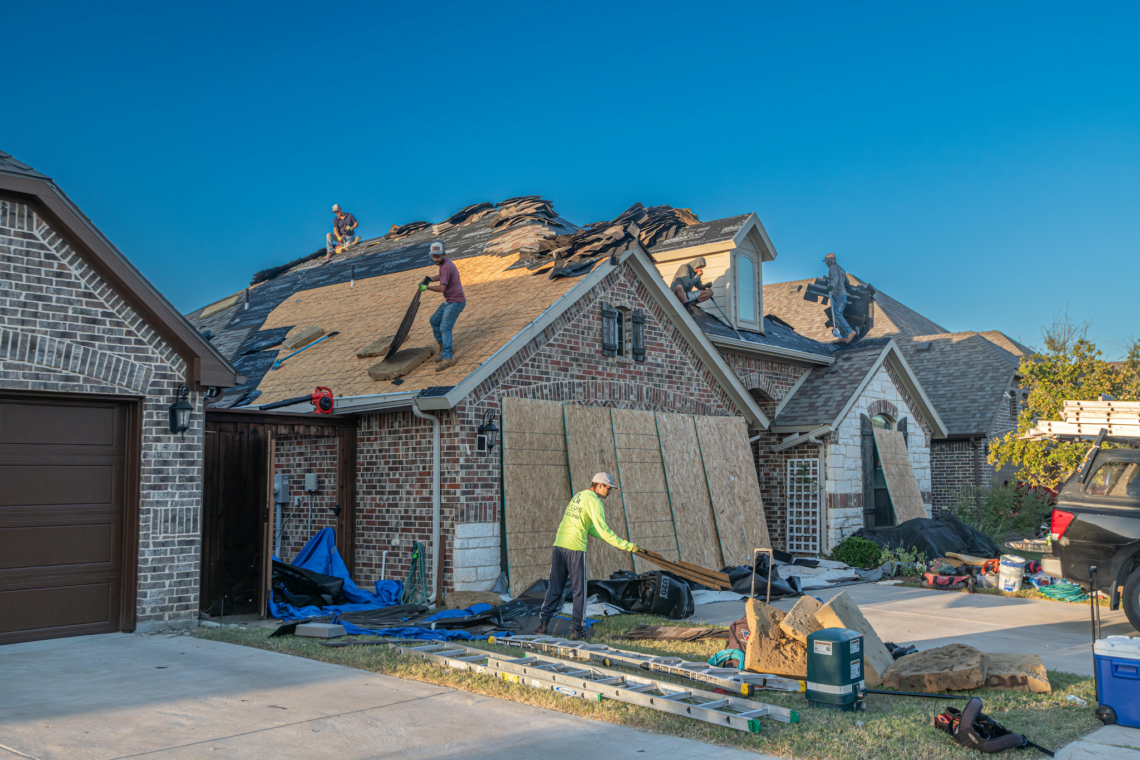
The roof is one of the most influential exterior components when it comes to property value. A roof in good condition reassures buyers that major repairs will not be needed in the near future. This peace of mind often translates into stronger offers and smoother transactions.
Visible roof damage or signs of age can immediately reduce a home’s appeal. Buyers may anticipate costly repairs and adjust their offers accordingly. Maintaining roofing integrity supports both visual appeal and structural confidence.
Exterior Materials and Long-Term Durability
Exterior materials such as siding, trim, and masonry impact how durable and low-maintenance a home appears. Well-maintained materials suggest longevity and reliability, which are attractive qualities in the real estate market. Buyers tend to favor homes that appear ready to withstand weather and time.
Conversely, cracked, warped, or deteriorating materials raise concerns about future upkeep. These concerns can reduce buyer interest or lead to negotiations that lower sale price. Investing in exterior durability often protects value more effectively than cosmetic updates alone.
Energy Efficiency and Exterior Performance
Exterior condition directly affects a home’s energy performance. Gaps, cracks, or worn materials can allow air leakage, making heating and cooling systems work harder. Energy inefficiency can become a red flag during inspections or disclosures.
Homes with well-maintained exteriors often demonstrate better insulation and environmental control. Buyers increasingly factor operating costs into their purchasing decisions. A solid exterior contributes to comfort and efficiency, both of which support property value.
Appraisal Considerations and Exterior Factors
Appraisers evaluate exterior condition as part of their overall assessment. Roofing age, siding condition, and visible wear all play a role in determining value. A strong exterior helps support higher appraisal outcomes.
Appraisal adjustments often account for visible exterior deficiencies. Even moderate issues can affect comparable value assessments. Investing in exterior care helps ensure the home is positioned competitively within its market.
Marketability and Time on Market
Homes with strong exterior condition often spend less time on the market. Buyers are more likely to schedule showings when a property looks inviting and well-kept. Strong exterior presentation can generate interest quickly.
Properties with neglected exteriors may sit longer and require price reductions. Time on market influences perceived desirability. Maintaining the exterior helps preserve momentum and buyer interest.
Neighborhood Influence and Consistency
Exterior condition also affects how a property fits within its surrounding neighborhood. Homes that align with local standards and appearance tend to hold value better. A well-maintained exterior contributes positively to neighborhood perception.
When a home stands out due to poor exterior condition, it may be seen as a liability rather than an asset. Maintaining exterior consistency supports overall area value. This alignment benefits both individual homeowners and the broader community.
Professional Support and Strategic Upkeep
Strategic exterior maintenance often benefits from professional assessment and planning. Trusted service providers can identify priority areas and long-term needs. Working with an Austin Roofing Company allows homeowners to stay informed about roof condition while integrating exterior care into broader maintenance plans.
Professional support helps prevent overinvestment in unnecessary updates. Instead, it focuses attention on improvements that protect value and performance. Guidance ensures exterior decisions are both practical and financially sound.
Preventing Value Loss Through Neglect
Exterior neglect is one of the quickest ways to erode property value. Small issues can escalate when left unaddressed, leading to higher repair costs and reduced appeal. Preventing deterioration preserves both function and equity. Routine inspections and timely repairs help avoid sudden value drops. Maintenance does not need to be extensive to be effective. Consistency is often more impactful than large, infrequent updates.
Conclusion
The condition of a home’s exterior has a direct and lasting impact on property value. From curb appeal and buyer confidence to energy efficiency and appraisals, exterior care influences how a home is perceived and priced. Prioritizing exterior maintenance helps protect investment, strengthen marketability, and support long-term value in any housing market.