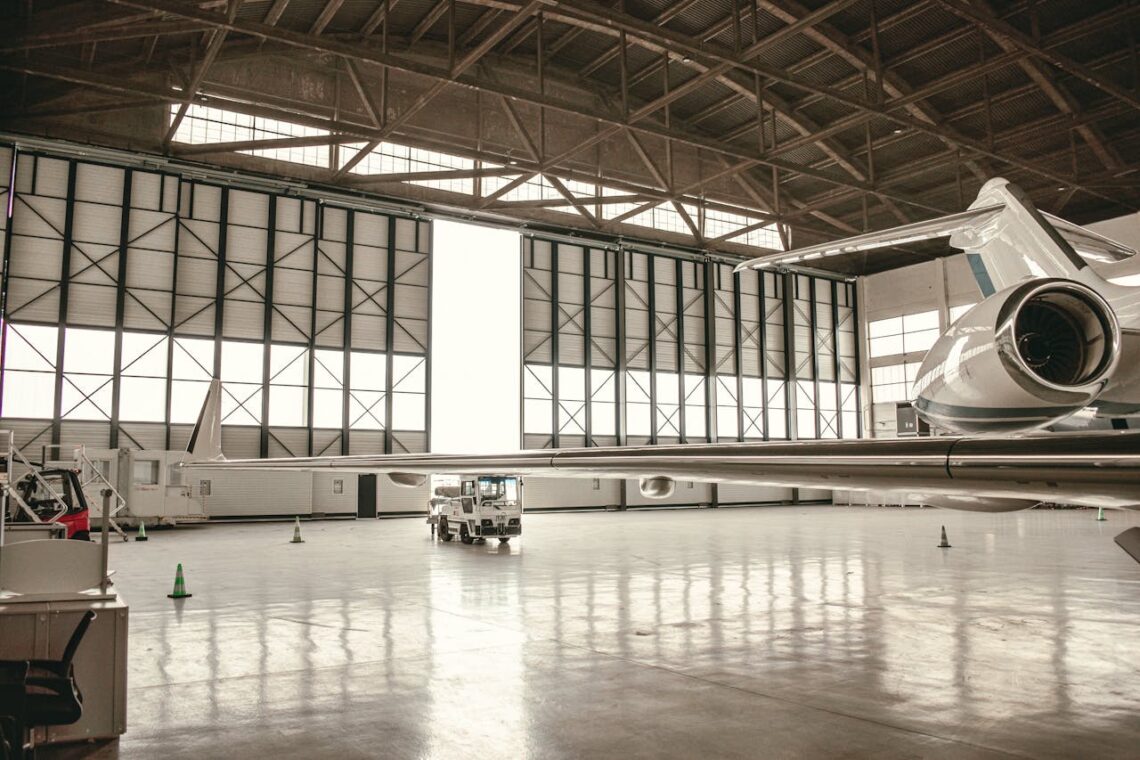
Aircraft maintenance crews operate under some of the most stringent regulatory requirements in any industry. The Federal Aviation Administration has established comprehensive standards designed to ensure aviation safety, and maintenance teams navigate these complex regulations every single day. But here’s the thing, compliance isn’t just about avoiding penalties. It’s fundamentally about maintaining the highest safety standards that protect passengers, crew members, and valuable aircraft assets. Understanding and implementing proper compliance procedures can mean the difference between smooth operations and costly violations that ground aircraft and damage hard-earned reputations. For maintenance professionals, staying current with FAA requirements represents an ongoing commitment to excellence and safety in aviation operations.
Maintain Meticulous Documentation and Record-Keeping Systems
The foundation of FAA compliance rests upon thorough, accurate documentation of every maintenance action performed on an aircraft. There’s simply no way around it. Maintenance crews must record all inspections, repairs, alterations, and preventive maintenance in accordance with FAR Part 43 requirements. Each entry needs to include specific details: the date of completion, a description of work performed, references to data used, aircraft total time in service, and the signature with certificate number of the person approving the aircraft for return to service.
Implement Comprehensive Training and Certification Programs
FAA regulations mandate that only properly certificated mechanics and technicians perform specific maintenance tasks on aircraft. It’s non-negotiable. Maintenance crews must hold appropriate Airframe and Powerplant certificates, with ratings corresponding to the work they perform. But here’s what many organizations miss, beyond initial certification, ongoing training ensures that personnel remain current with evolving aircraft technologies, maintenance procedures, and regulatory changes.
Follow Approved Maintenance Data and Procedures Explicitly
Aircraft maintenance must be performed using current, approved data sources including manufacturer maintenance manuals, FAA, approved Instructions for Continued Airworthiness, and applicable Airworthiness Directives. Maintenance crews can’t deviate from approved procedures without proper authorization through the appropriate channels, and for good reason. Type Certificate Data Sheets, Supplemental Type Certificates, and service bulletins provide essential guidance that must be consulted before performing maintenance tasks. When approved data appears unclear or contradictory, what should maintenance personnel do? They should seek clarification from the aircraft manufacturer, designated engineering representatives, or FAA personnel rather than making assumptions that could prove dangerous.
Conduct Thorough Inspections Using Standardized Checklists
Systematic inspection procedures form the backbone of preventive maintenance programs that keep aircraft airworthy between major overhauls. FAA-required inspections range from routine preflight checks to comprehensive annual and progressive inspections that examine every aircraft system in detail. Maintenance crews must use detailed inspection checklists derived from manufacturer recommendations and regulatory requirements, ensuring no critical items are overlooked in the process. When maintenance teams need to reposition aircraft within hangars or on the ramp during inspection procedures, professionals who need to move aircraft efficiently and safely often rely on an aircraft tug for sale that meets specific operational and weight-capacity requirements.
Establish Robust Quality Assurance and Safety Management Systems
Effective compliance extends beyond individual mechanic performance to encompass organizational systems that promote safety culture and continuous improvement. Quality assurance programs provide independent oversight of maintenance operations, verifying that work complies with approved procedures and regulatory requirements. Regular internal audits identify systemic issues before they result in violations or safety incidents, allowing organizations to implement corrective actions proactively rather than reactively. Safety Management Systems encourage reporting of errors, near, misses, and hazardous conditions without punitive consequences, creating learning opportunities that strengthen overall operations.
Conclusion
FAA compliance for aircraft maintenance crews demands unwavering attention to detail, comprehensive knowledge of regulations, and organizational commitment to safety above all other considerations. The five tips outlined, meticulous documentation, ongoing training, adherence to approved data, thorough inspections, and robust quality systems, work together to create a compliance framework that genuinely protects aviation safety. Maintenance professionals who embrace these practices as core operational values rather than mere regulatory obligations build sustainable safety cultures that benefit everyone in aviation. By maintaining the highest compliance standards, maintenance crews ensure that aircraft remain airworthy and passengers reach their destinations safely, fulfilling aviation’s fundamental promise of reliable, secure transportation.