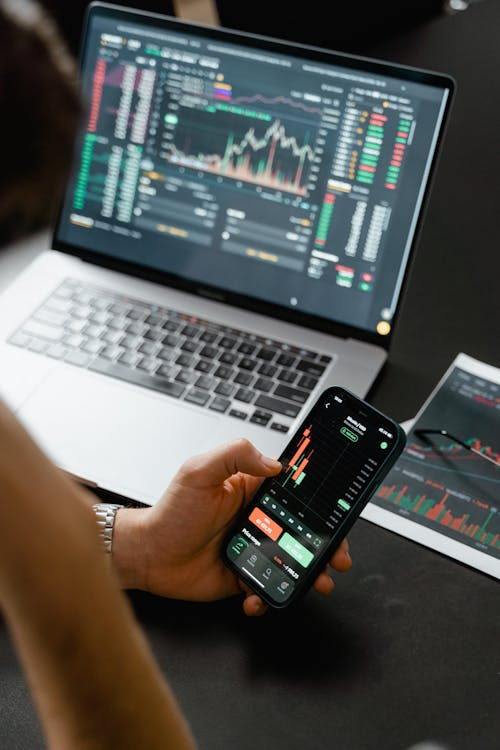
Trading requires a blend of analytical skill, emotional control, and steady focus. Market conditions can shift quickly, and the pressure to make timely decisions often leads to elevated stress levels. When stress becomes overwhelming, it can cloud judgment, disrupt discipline, and increase the likelihood of impulsive choices. Reducing stress is not only beneficial for overall well being but also essential for maintaining clarity and consistency in trading. By adopting practical methods that support calm, structured thinking, traders can navigate uncertainty with greater confidence and stability.
Strengthen Emotional Awareness to Stay Grounded
Emotional awareness is one of the most effective tools for reducing stress during trading. Recognizing how emotions arise and influence behavior allows traders to pause before reacting. Stress often builds when fear, frustration, or excitement goes unnoticed, leading to decisions driven by impulse rather than strategy. Developing the ability to identify emotional shifts early helps create space for more deliberate thinking.
Reflecting on past trades, journaling emotional responses, and noting how specific market conditions affect mindset can reveal valuable patterns. Understanding the psychology of trading provides insight into how cognitive biases and emotional triggers shape decision making. When traders become more aware of their internal responses, they are better equipped to maintain composure and reduce stress during volatile periods.
Use Structured Processes to Support Clear Decision Making
A structured decision making process helps reduce stress by providing a reliable framework to follow. When traders rely on predetermined rules rather than momentary feelings, they create a buffer between emotion and action. This structure may include entry and exit criteria, risk limits, position sizing, and time based guidelines that guide behavior regardless of market noise.
Checklists and step by step evaluation methods reinforce discipline and reduce the mental burden of constant decision making. By following a consistent process, traders avoid the stress that comes from uncertainty or second guessing. Structure also supports long term consistency, helping traders stay aligned with their strategy even when markets become unpredictable.
Limit Information Overload to Maintain Clarity
Financial markets generate a continuous stream of data, news, and commentary. While staying informed is important, excessive information can overwhelm the mind and increase stress. Traders may find themselves reacting to every headline or price fluctuation, leading to fragmented thinking and emotional fatigue.
Limiting information to high quality, relevant sources helps maintain clarity. Setting specific times to review market updates prevents constant monitoring and reduces mental strain. Filtering out noise allows traders to focus on meaningful data that supports strategic decision making. By reducing exposure to overwhelming information, traders create a calmer mental environment that supports clearer thinking and lower stress levels.
Develop Habits That Support Mental and Physical Well Being
Stress reduction is closely tied to overall well being. Habits that support mental and physical health contribute to sharper thinking, improved emotional regulation, and greater resilience during challenging market conditions. Adequate sleep, regular exercise, and balanced nutrition help maintain energy and focus throughout the trading day.
Incorporating mindfulness practices such as deep breathing, meditation, or short breaks during stressful moments can help reset the mind. These techniques reduce tension and create space for more rational thinking. Establishing routines that include reflection, review, and preparation also reinforces emotional balance. When traders feel grounded and well supported, they are better equipped to manage stress and maintain clarity during decision making.
Conclusion
Reducing stress while making trading decisions requires a combination of emotional awareness, structured processes, selective information intake, and supportive daily habits. These methods help traders remain steady, reduce impulsive reactions, and maintain clarity during periods of uncertainty, supporting long-term success in dynamic market environments.