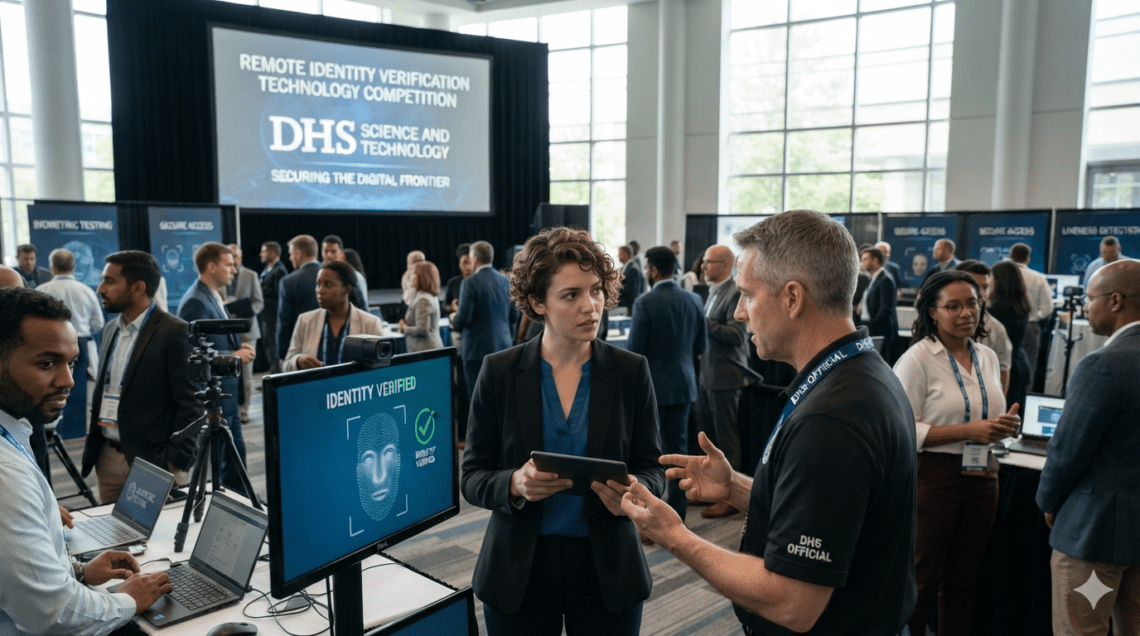
The internet is now a big part of our daily lives. We use it to bank, work, and connect. But sometimes, it is hard to know if the person on the other side is real. That is why the U.S. Department of Homeland Security (DHS) works so hard. They host a special event called the remote identity verification technology competition dhs. This program checks how well different tools can prove someone is who they say they are. It is like a big test to make sure our digital world stays safe and sound.
What is the Remote Identity Verification Technology Competition?
The remote identity verification technology competition dhs is a way for the government to test new security software. Companies from all over show off their latest tools. These tools help confirm a person’s identity without needing them to be there in person. The government runs these tests to see which systems work the best. They want to make sure these tools can stop bad actors from stealing or faking an identity. It is a very important job that keeps everyone safer online.
Why Does DHS Test New Technology?
The main goal of the remote identity verification technology competition dhs is to find the best solutions. Many people try to commit fraud using fake documents or photos. DHS wants to stop these scams before they happen. By testing these tools, they can learn which ones are strong and which ones need more work. They look for systems that can handle many different types of threats. This testing helps the government pick the right tools for important tasks.
Understanding Identity Fraud Prevention
Identity fraud happens when someone steals your personal information. They might use it to get money or open fake accounts. The remote identity verification technology competition dhs focuses on stopping this. Good technology can spot a fake ID card or a fake picture. It can even tell if a video of a person is real or just a trick. These systems are getting better every single year. This progress is a huge win for regular people everywhere.
How Biometric Matching Works
One big part of the remote identity verification technology competition dhs is biometric matching. This means using things like your face or eyes to prove your identity. The systems check if the person in a “selfie” matches the photo on a document. It is a fast and simple way to prove who you are. These systems must be very accurate to avoid mistakes. If they work well, you can verify yourself from home easily.
Tackling the Threat of Deepfakes
Deepfakes are fake videos made by computers that look very real. They are a big worry for security experts today. Thankfully, the remote identity verification technology competition dhs tests for this. They challenge companies to build “liveness” checks. These checks confirm that a person is actually there, not just a computer program. Finding ways to stop deepfakes is a top goal for the DHS team. They want to make sure technology is always one step ahead.
The Role of Document Validation
Sometimes, fraudsters use real but stolen documents, or they make fake ones. The remote identity verification technology competition dhs includes a track just for this. This track tests how well a system can tell if an ID card is real. It checks things like the paper, the hologram, and the security codes. If a system can find a fake ID, it stops fraud very quickly. This keeps businesses and government offices much safer.
Why Accuracy Matters in Security
In the remote identity verification technology competition dhs, accuracy is the most important goal. A system must be very good at catching fake IDs. At the same time, it should not bother real people who are just trying to log in. If a system is too strict, it might block honest users. If it is too loose, criminals might get through. Finding the right balance is what this competition is all about.
Boosting User Convenience
Nobody likes waiting in long lines at a government office. The remote identity verification technology competition dhs aims to make life easier. With good technology, you can verify your identity from your own couch. You just need a smartphone and a document. This saves you time and makes things much simpler. The goal is to make security feel easy and fast for everyone to use.
How These Results Help You
Even if you are not a tech expert, these tests help you. The remote identity verification technology competition dhs pushes companies to improve their products. When these companies make better software, your banking and shopping become safer. You might not see the testing happening, but you get the benefits every day. It is like an invisible shield that protects your personal data online.
Supporting Digital Safety for Everyone
The world is moving toward more digital services every day. The remote identity verification technology competition dhs ensures we can do this safely. By supporting this competition, the government builds trust in digital tools. This helps more people feel comfortable using apps and websites. It is all about creating a digital future that works for every single person. We all deserve to be safe online.
Future Trends in Identity Verification
The remote identity verification technology competition dhs is always looking forward. Technology moves fast, and criminals do too. The government knows that they must keep testing and learning. In the future, we might see even smarter systems that protect us automatically. These competitions help us stay ready for whatever comes next. It is an exciting time for digital security experts and users alike.
Quick Comparison Table of Identity Technologies
| Technology | What It Does | Why It Matters |
| Biometrics | Uses face/iris scans | Makes it hard to fake identity. |
| Liveness Detection | Spots deepfakes/videos | Ensures a real person is present. |
| Document Check | Verifies physical IDs | Catches fake/altered documents. |
| Injection Defense | Stops bad data streams | Prevents remote hacking attacks. |
Frequently Asked Questions (FAQs)
1. What is the main goal of the DHS identity competition?
The goal is to test and find the best ways to verify identities online safely.
2. How do these tests stop identity fraud?
They challenge software to find fake IDs, photos, and deepfakes before they cause harm.
3. Will this technology make my life easier?
Yes, it helps you verify your identity from home instead of visiting an office.
4. Is my personal information safe during these tests?
Yes, the tests use volunteers and fake data to keep your real info private.
5. How often does the DHS hold these competitions?
The DHS hosts these events periodically to keep up with new digital threats.
6. Why is “liveness” detection so important?
It stops bad actors from using pre-recorded videos or masks to pretend to be you.
Conclusion
The remote identity verification technology competition dhs is a vital part of our safety. It keeps our information secure and makes using digital services a breeze. By testing the newest tools, the government makes sure we are protected from new and tricky frauds. Are you interested in learning more about how your digital identity stays safe? Let’s talk more about the future of online security together!