Have you ever wondered how CPR can save a life in just a few minutes?
CPR, or cardiopulmonary resuscitation, is a simple method that helps keep blood and oxygen moving in the body. It is used when a person’s heart or breathing has stopped.
Learning this skill can help you act fast in an emergency. Start learning CPR today and be ready to help when it matters most.
Chest Compressions
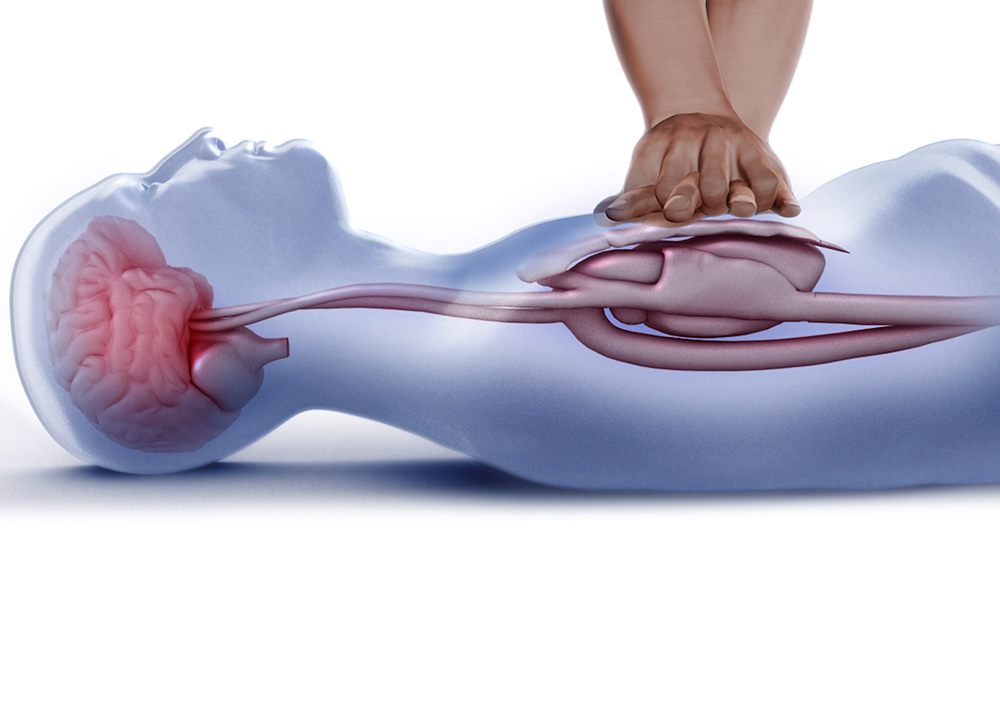
Chest compressions are the first and most important step in CPR. You press hard and fast in the center of the chest. This action pushes blood out of the heart and into the body. It helps deliver oxygen to the brain and vital organs. Compressions should be steady and deep to be effective.
Good compressions require proper hand placement and body position. You should use your body weight to press down firmly. Let the chest rise fully between each push. This allows the heart to refill with blood before the next compression.
Rescue Breaths
Rescue breaths help bring oxygen into the lungs. After a set of chest compressions, you give breaths into the person’s mouth. This fills the lungs with air and provides oxygen to the blood. The oxygen is then carried to the brain and body through compressions. This step supports breathing when the person cannot breathe on their own.
It is important to give breaths at the right pace. Too much air can cause harm. Each breath should be slow and controlled. This helps ensure that oxygen reaches the lungs effectively.
Blood and Oxygen Flow
CPR works by acting like a manual pump for the heart. Chest compressions move blood through the arteries. Rescue breaths add oxygen to that blood. Together, they keep the body alive for a short time. This process helps prevent severe damage until the heart can be restarted.
This flow of oxygen and blood is not as strong as normal circulation. However, it is enough to support basic body functions. It also helps keep the brain alive longer. This is why continuous CPR is very important.
Brain Protection and Survival
The brain needs a constant supply of oxygen to function. Without it, damage can occur quickly. CPR helps protect the brain by keeping oxygen-rich blood flowing. Even though it is not as strong as a normal heartbeat, it is enough to slow damage.
Brain cells are very sensitive to oxygen loss. Even a few minutes without oxygen can lead to serious injury. CPR helps extend the time the brain can survive. This gives emergency teams a better chance to save the person.
Importance of Training and Timing
Quick action is very important in CPR. The sooner CPR starts, the better the chance of survival. Proper training helps people perform CPR the right way. You can learn correct techniques and timing from trusted sources like Cprcertificationnow.com. Knowing what to do can make a big difference in an emergency.
Practice also helps build confidence. Many people hesitate because they are unsure what to do. Training removes that fear and prepares you for real situations. Being ready can help you respond without delay.
Learn How CPR Works
CPR is a life-saving skill that uses simple steps to keep the body working during an emergency. It helps move blood and oxygen when the heart and lungs stop.
Each step plays an important role in protecting the brain and organs. Learning CPR can prepare you to help someone in need and possibly save a life.
Did you enjoy reading this article? If so, then be sure to check out the rest of our blog for more!