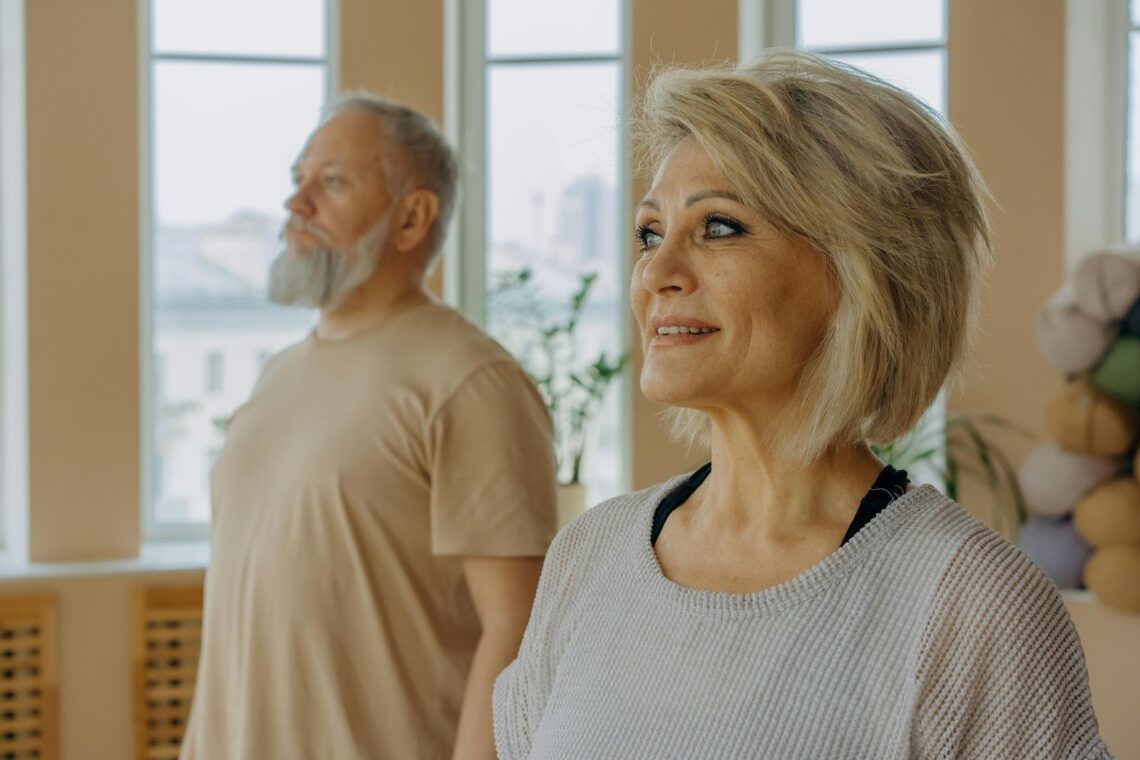
Healthy aging is about far more than maintaining physical health. It also involves emotional wellness, social engagement, mental stimulation, and daily habits that support long term vitality. As adults grow older, their routines, environments, and personal needs naturally shift. Making thoughtful lifestyle changes can help support independence, improve mood, increase longevity, and enhance overall quality of life. By adopting habits that align with evolving needs, older adults can feel more confident, energized, and connected throughout their later years.
Staying Physically Active Through Daily Movement
One of the most effective ways to support healthy aging is to remain physically active. Regular movement helps maintain strength, mobility, balance, and cardiovascular health. It also supports joint comfort, improves circulation, and contributes to better sleep.
Daily activity does not need to be strenuous. Simple movements such as stretching, light walking, or participation in low impact exercise classes help older adults stay mobile. Many communities, including those offering senior living in Beaver Falls, PA, provide structured fitness programs tailored to individual ability levels. These classes help residents maintain consistent routines while reducing the risk of injury.
Physical activity also supports mental wellness. Even small amounts of daily movement can help reduce stress, release endorphins, and support emotional balance. For older adults looking to maintain independence, regular movement plays a key role in preserving confidence and strength.
Nourishing the Body With Balanced Nutrition
Healthy eating becomes increasingly important as the body changes with age. Nutrient dense meals support immune function, energy levels, and cognitive health. Eating a balanced diet with vegetables, fruits, whole grains, lean proteins, and healthy fats can help manage chronic conditions, maintain a healthy weight, and promote overall vitality.
Hydration also plays an essential role. Many older adults experience decreased thirst cues, making it important to drink water regularly throughout the day. Proper hydration supports digestion, joint comfort, and mental clarity.
For individuals who find meal planning challenging, supportive communities or family assistance can ensure access to nutritious, well balanced meals. Senior living environments often offer menus designed specifically for older adults, focusing on both flavor and nutrition.
The Importance of Social Engagement and Connection
Social wellness is a key component of healthy aging. Maintaining strong social relationships provides emotional support, reduces loneliness, and encourages a sense of belonging. Older adults who participate in social activities often feel more energized, fulfilled, and connected to their community.
Participating in group activities, joining hobby clubs, or attending community events can help cultivate friendships. Even small interactions throughout the day contribute to a brighter mood and a more positive outlook on life.
Communities designed for older adults recognize the importance of social engagement and often provide opportunities to interact with peers who share similar interests. These connections help foster a sense of purpose and enhance overall happiness.
Supporting Cognitive Health Through Mental Stimulation
Mental stimulation helps keep the mind sharp, supports memory, and encourages lifelong learning. Activities that challenge the brain promote cognitive flexibility and help reduce the risk of cognitive decline.
Reading, puzzles, games, music, educational classes, and even meaningful conversations all contribute to cognitive wellness. Learning new skills or hobbies can also provide stimulation and excitement. Creative activities such as crafting, writing, or painting offer both relaxation and intellectual engagement.
Senior living communities frequently offer structured programs that incorporate cognitive exercises and mental enrichment activities. These opportunities help residents stay mentally active in enjoyable and accessible ways.
Prioritizing Emotional Wellness
Emotional wellness plays a vital role in healthy aging. Stress management, emotional expression, and consistent support help older adults navigate the natural changes of later life.
Spending time outdoors, practicing mindfulness, talking with loved ones, or participating in activities that promote relaxation can help reduce stress. Compassionate support from caregivers, friends, and family also helps individuals feel understood and valued.
Maintaining routines, staying socially connected, and engaging in meaningful activities all contribute to emotional balance and improved mental health. Supportive environments make it easier to embrace daily life with confidence and optimism.
Establishing Healthy Routines and Daily Structure
Routines help older adults maintain a sense of stability, purpose, and direction. Regular schedules for meals, rest, activity, and hobbies create consistency that supports both physical and emotional health.
Routines also help individuals stay engaged and motivated. Knowing what to expect each day reduces stress and provides a feeling of control. Whether living independently or in a supportive community, maintaining a daily rhythm contributes to healthier, happier aging.
Conclusion
Healthy aging is supported by lifestyle choices that nurture physical health, cognitive strength, emotional resilience, and daily comfort. By staying active, eating well, maintaining social connections, and creating supportive routines, older adults can enjoy greater independence and improved quality of life. Whether aging at home or exploring supportive community options, thoughtful lifestyle changes play a meaningful role in fostering long term wellness, confidence, and joy.