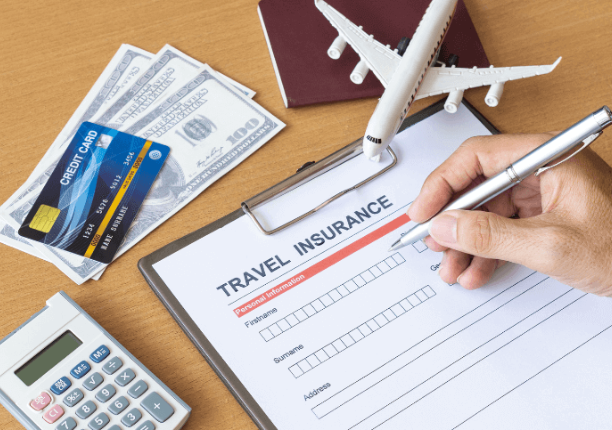
Traveling is exciting — new destinations, culture, food, landscapes, and experiences give life unforgettable meaning. But along with these wonders come risks you simply cannot predict. Flights get delayed, luggage goes missing, accidents happen, weather changes, and medical emergencies strike without warning. This is where travel insurance becomes one of the most valuable tools a traveler can carry.
With global tourism increasing rapidly and international mobility becoming easier, travel insurance is no longer a luxury — it is a necessary shield against uncertainty. Whether you’re traveling for a honeymoon, business, study, adventure, or a family vacation, the right travel insurance policy can save you from heavy financial loss and emotional stress.
In this comprehensive 1500-word article, we will cover what travel insurance is, how it works, policy types, coverage, exclusions, cost factors, claim procedures, buying tips, and everything you need before your trip.
What is Travel Insurance
Travel insurance is a financial protection plan that covers unexpected losses during domestic or international trips. It helps travelers recover costs related to emergencies such as trip cancellations, medical expenses, lost baggage, flight delays, theft, hospitalization, accidents, natural disasters, and more.
In simple terms:
Travel insurance protects your money, health, and belongings when things go wrong on a trip.
Think of it as a safety net — you hope not to use it, but if you need it, you’ll be grateful you have it.
Why Travel Insurance is Important
Traveling involves uncertainties. Even a well-planned journey can be disrupted by events beyond your control. Consider these real scenarios:
- You lose your passport right before boarding.
- Your connecting flight gets cancelled due to a storm.
- Luggage arrives days after you reach the hotel.
- You fall sick abroad where hospital costs are extremely high.
- You need emergency surgery in a foreign country.
- A family emergency forces you to cancel your trip.
Without insurance, each situation can lead to thousands of dollars in out-of-pocket expenses. With travel insurance, however, these unexpected costs become manageable or fully covered.
Key Benefits of Travel Insurance
| Benefit | Description |
| Medical coverage | Covers hospitalization, emergencies & treatment abroad |
| Luggage protection | Compensation for lost, damaged or delayed baggage |
| Trip cancellation/reimbursement | Refund for prepaid bookings you cannot use |
| Flight disruptions | Compensation for delays, missed connections & rebooking |
| Emergency evacuation | Transport cost to nearest hospital or back home |
| Passport/wallet loss protection | Assistance & support for document recovery |
Types of Travel Insurance Policies
To choose the right plan, you must know the available types. Travel insurance is generally divided into the following categories:
1. Single Trip Travel Insurance
Covers one trip with a defined start and end date. Best for holiday travel or occasional vacations.
2. Annual/Multi-Trip Insurance
Covers multiple trips within 12 months. Suitable for business travelers or frequent flyers.
3. International Travel Insurance
Designed for travelers visiting foreign countries. Includes extensive medical coverage and global emergency support.
4. Domestic Travel Insurance
Applies to trips within the same country. Usually costs less but offers limited coverage compared to international plans.
5. Student Travel Insurance
Protects students studying abroad. Covers medical treatment, laptop theft, tuition refund, and sponsor protection.
6. Business Travel Insurance
Ideal for corporate travelers; includes coverage for equipment, documents, meetings, and emergency replacements.
7. Family Travel Insurance
A collective plan that protects the entire family under one policy — cost-effective and convenient.
8. Senior Citizen Travel Insurance
For travelers above 60 years of age, offering extensive medical care, illness protection, and emergency support.
What Travel Insurance Usually Covers
A standard travel insurance policy covers many unexpected situations. The more comprehensive the plan, the better the protection.
1. Medical Emergencies
- Hospital bills and treatment
- Doctor consultations and medicine
- Emergency dental care
- Surgical procedures
- ICU and critical care
For countries like the U.S., Canada, Japan, and Europe, where medical treatment is extremely expensive, this coverage is crucial.
2. Trip Cancellation or Interruption
You may cancel your trip due to:
- Sudden illness or injury
- Family emergency or death
- Visa rejection
- Natural disaster
- Airline strike or bankruptcy
Insurance compensates prepaid bookings including hotel, flights, tours, etc.
3. Lost or Delayed Baggage
If your luggage disappears or arrives late, you are compensated for clothing, essentials, and belongings.
4. Flight Delay or Missed Connection
If your flight is delayed for hours or you miss a connecting flight due to airline issues, you receive reimbursement.
5. Theft, Loss or Damage of Belongings
Covers:
- Phones & gadgets
- Wallet or money
- Passport replacement cost
- Personal items
6. Personal Accident & Disability
Accidents can happen anywhere. Insurance provides financial support for injuries, disability, or even death compensation to family.
7. Emergency Evacuation
If you need medical evacuation or transport back home, insurance covers the cost — which can otherwise be extremely high.
What Travel Insurance Does NOT Cover (Exclusions)
Not everything is included in a standard plan. Knowing exclusions helps you choose better coverage.
| Not Covered | Examples |
| Pre-existing conditions (unless added) | Chronic illness, diabetes, heart issues |
| Adventure sports (unless special plan) | Skydiving, scuba, mountain climbing |
| Alcohol/drug influenced incidents | Injury due to intoxication |
| Illegal or reckless activities | Violation of law, risky behavior |
| Pregnancy-related complications | Unless specified in policy |
You can buy add-ons to include adventure sports, pregnancy, expensive gadgets, or high-value jewelry.
How Much Does Travel Insurance Cost?
The cost depends on multiple factors such as:
- Travel destination (some regions cost more)
- Duration of trip
- Age of traveler
- Sum insured (coverage amount)
- Individual, family or student plan
- Add-ons chosen
On average, travel insurance typically costs 4% to 10% of the total trip expense, depending on the policy type and coverage value. For long trips or older travelers, prices may be slightly higher.
How to Choose the Best Travel Insurance
Here’s a checklist to help you select the most suitable plan:
Check medical coverage limit
High medical coverage is necessary for countries with expensive healthcare.
Compare baggage & flight coverage
Look for compensation for delays, loss, theft, or trip interruptions.
Choose region-specific plans
Europe, USA, Asia, and Schengen visa areas often require dedicated policies.
Read terms and exclusions carefully
Many disputes happen because travelers ignore policy details.
Add riders if needed
Include adventure sports, gadget cover, COVID-19 cover, or pre-existing illness protection.
Compare policies online
Use travel insurance comparison platforms to find the best price with maximum benefits.
How to File a Travel Insurance Claim
Filing a claim is easier when you keep receipts, documents, and evidence ready. Here’s the claim process step-by-step:
- Inform the insurance company immediately
Report theft, medical incidents, missed flights, or cancellations within 24 hours. - Submit required documents
You may need:
- Passport copy
- Flight tickets
- Police report (for theft)
- Medical reports & bills
- Boarding passes and receipts
- Policy number and ID
- Passport copy
- Fill claim form
Available online on the insurer’s portal. - Track claim status
Most insurers offer online tracking until settlement. - Receive compensation
Reimbursement is usually processed through bank transfer.
Why Travel Insurance is Worth Every Penny
You may think you’ll never need insurance — but nobody predicts emergencies. A small one-time insurance purchase protects your trip, finances, and health.
Imagine paying $50 for insurance vs $30,000 for unexpected surgery abroad.
The choice is obvious — travel safe, not sorry.
Conclusion
Travel insurance is one of the smartest investments any traveler can make. It provides security, confidence, and peace of mind throughout the journey. From medical emergencies to flight issues, loss of belongings to trip cancellations — insurance protects you from heavy financial losses and stress. No matter how perfectly you plan, uncertainty is always a step behind. With the right travel insurance, you don’t just travel — you travel fearlessly.
If you are planning a vacation, study trip, business travel, backpacking adventure, or family tour, make sure travel insurance is packed before your passport. It is the shield every explorer deserves.
FAQs
1. Is travel insurance mandatory?
It is optional for many countries, but required for visa approval in places like Schengen region, UAE, and more.
2. When should I buy travel insurance?
Purchase it right after booking your flight or hotel so you are covered for cancellations as well.
3. Does travel insurance cover COVID-19?
Some policies do, but not all. Check if COVID-19 coverage is included or available as an add-on.
4. Can I buy travel insurance after a trip starts?
Most insurers require purchase before departure, although some allow limited mid-trip insurance.
5. Is travel insurance refundable?
If no claims are made and policy is canceled before travel begins, certain insurers offer refunds.