Bruce Willis is one of the most loved actors in Hollywood. For decades, he entertained millions. When news about bruce willis health became public, fans around the world felt concerned. Many wanted clear answers. Others wanted hope.
This article explains everything in a calm and simple way. We talk about his diagnosis, daily life, family support, and what doctors say. We also clear up rumors. Most of all, we focus on respect and understanding.
Health news can feel scary. But learning the facts helps us feel informed. It also helps us show kindness. This guide is written for everyone, even young readers. Every section uses short sentences and easy words. Let’s begin by understanding who Bruce Willis is and why his health matters so much.
Who Is Bruce Willis and Why His Health Matters
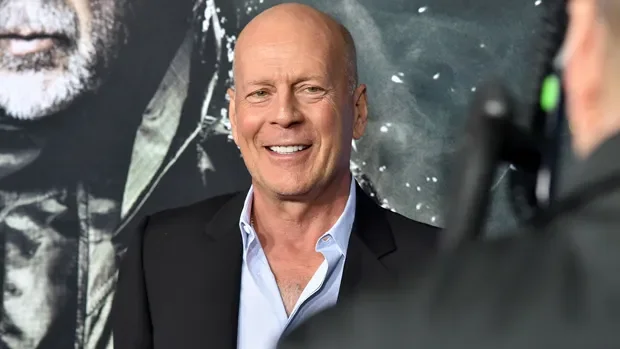
Bruce Willis is a famous American actor. He starred in movies like Die Hard and The Sixth Sense. For many people, he represents strength and humor. That is why bruce willis health became a global topic.
When a public figure faces illness, it affects more than one family. Fans feel connected. They want updates. They want honesty. Bruce’s career lasted over 40 years. He worked hard and inspired many actors.
His health journey also helps people learn about brain conditions. Many families face similar struggles. Seeing a famous person talk openly reduces shame. It encourages others to seek help.
Bruce Willis is more than a movie star. He is a father, husband, and human being. His health story reminds us that illness can touch anyone. Fame does not protect us from life’s challenges.
Bruce Willis Health Diagnosis Explained Simply
In 2022, Bruce Willis’s family shared his diagnosis. Later updates gave more clarity about bruce willis health. Doctors confirmed he has frontotemporal dementia (FTD).
FTD is a brain condition. It affects behavior, speech, and understanding. It is different from Alzheimer’s disease. This illness slowly changes how the brain works.
Before the dementia diagnosis, Bruce was diagnosed with aphasia. Aphasia affects speech and language. It made acting harder for him. Over time, doctors learned more about the cause.
FTD does not have a cure yet. But care and support help improve life quality. Early diagnosis helps families plan better.
The family shared this information to raise awareness. They wanted people to understand the condition. They also wanted privacy and respect. That honesty built trust with fans worldwide.
What Is Frontotemporal Dementia (FTD)?
Frontotemporal dementia affects the front and side parts of the brain. These areas control speech, personality, and decision-making. That is why bruce willis health changes included communication issues.
FTD often appears earlier than other dementias. Many patients are under 65 years old. Symptoms vary from person to person. Some people struggle with words. Others show behavior changes.
This condition progresses slowly. That means symptoms worsen over time. But the speed is different for each person. There is no single timeline.
Doctors focus on comfort and safety. Therapy may help with speech. Routines help reduce stress. Family care plays a big role.
By sharing Bruce’s diagnosis, his family helped spread knowledge. Many people had never heard of FTD before. Awareness can lead to earlier diagnosis for others.
Early Signs That Affected Bruce Willis Health
Early symptoms of bruce willis health issues were subtle. At first, fans noticed changes in his acting roles. He spoke less. His dialogue was shorter.
These signs matched aphasia symptoms. Aphasia makes it hard to find words. It also affects understanding language. Over time, doctors connected these signs to a larger condition.
Other early signs included confusion and behavior changes. These symptoms are common in FTD. Families often feel unsure at first. Symptoms can look like stress or aging.
Early signs are often missed. That is why education is important. Bruce Willis’s case helped many families recognize similar patterns.
Catching symptoms early allows better planning. It also helps caregivers prepare emotionally. Bruce’s story shows how important listening and observation are.
How Bruce Willis Health Affected His Acting Career
Acting requires memory, timing, and speech. As bruce willis health declined, acting became harder. In 2022, Bruce officially retired from acting.
This decision was not easy. Acting was a big part of his identity. But health always comes first. His family supported the choice fully.
Some movies used shorter scenes and fewer lines. This helped him continue working for a while. Eventually, rest became more important than work.
Retirement allowed Bruce to focus on family and care. It reduced stress and pressure. Fans respected this choice and shared love online.
His career remains legendary. Illness does not erase his achievements. Instead, it adds a deeper human story to his legacy.
Bruce Willis Family Support System
Family plays a huge role in bruce willis health care. His wife, Emma Heming Willis, is his main caregiver. His ex-wife, Demi Moore, is also very involved.
Bruce has five daughters. They often share loving messages. The family appears united and strong. They focus on positive moments.
Caregiving is not easy. It requires patience and strength. Emma often talks about caregiver awareness. She shares honest thoughts, not just happy moments.
This open approach helps others feel less alone. Many caregivers face similar struggles. Seeing a famous family talk openly builds trust and hope.
Bruce Willis’s family shows that love matters most. Their support improves his comfort and daily life.
Daily Life and Care Routine Today
Today, bruce willis health care focuses on comfort and routine. He spends most of his time at home. Familiar spaces help reduce confusion.
Daily routines provide stability. Simple activities matter. Family time, music, and quiet moments help him feel safe.
Medical teams guide the family. Speech therapists and doctors help manage symptoms. Care plans change as needs change.
Privacy is important. The family shares updates carefully. They protect Bruce’s dignity at all times.
This stage of life is about presence, not productivity. Bruce is surrounded by love. That makes a big difference.
Public Reactions and Fan Support
Fans reacted with kindness when bruce willis health news became public. Social media filled with supportive messages. Fellow actors shared respect and love.
Many fans thanked Bruce for his movies. Others shared personal stories about dementia in their families. This created a shared space of understanding.
Public support can be comforting. It reminds families they are not alone. But privacy still matters. The Willis family balances both well.
This response shows how deeply Bruce touched people’s lives. His work mattered. His honesty matters even more.
What Doctors Say About Long-Term Outlook
Doctors explain that FTD progresses over time. Bruce willis health will continue to change. There is no cure yet.
Treatment focuses on managing symptoms. Emotional support is key. Physical comfort is also important.
Each patient’s journey is unique. Some changes happen slowly. Others happen faster. Planning helps reduce fear.
Medical research is ongoing. Awareness helps fund studies. Bruce’s case increased interest in FTD research.
While the future is uncertain, care and love remain constant. That is what matters most.
FAQs About Bruce Willis Health
1. What illness does Bruce Willis have?
Bruce Willis has frontotemporal dementia, a brain condition affecting speech and behavior.
2. Is Bruce Willis still alive?
Yes. He is alive and spending time with family.
3. Why did Bruce Willis stop acting?
He retired due to health issues affecting speech and memory.
4. Is FTD the same as Alzheimer’s?
No. FTD affects different brain areas and often starts earlier.
5. Who takes care of Bruce Willis?
His wife, family, and medical professionals support his care.
6. Can frontotemporal dementia be cured?
There is no cure yet, but care can improve comfort.
Final Thoughts on Bruce Willis Health
The story of bruce willis health is not just about illness. It is about honesty, family, and dignity. Bruce Willis gave the world decades of joy. Now, his story teaches compassion.
By sharing his journey, his family helped millions learn about FTD. They also reminded us that health comes first. Fame does not change that.