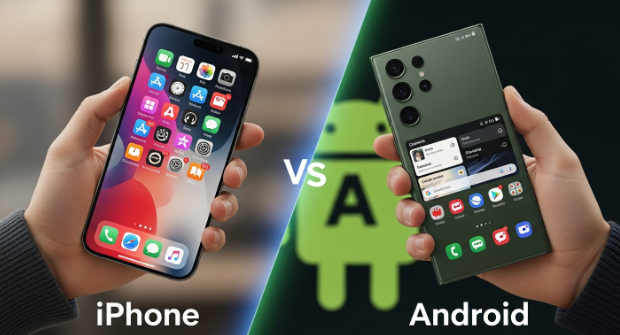
A powerful smartphone experience depends greatly on the operating system behind it. Android vs iOS remains one of the most debated comparisons among tech users. Many people want clarity, and this guide explains everything in simple language. Moreover, each section offers structured insights so readers understand the strengths and limits of both platforms clearly.
Understanding the Android vs iOS Ecosystem
Android offers flexibility across brands like Samsung, OnePlus, Vivo, and Pixel. Meanwhile, iOS powers only Apple devices, keeping the experience consistent. Moreover, this difference shapes app performance, device prices, updates, and customizations. Users should evaluate what matters more: open options or unified control across hardware and software.
Performance and Speed Comparison
iOS runs smoothly because Apple controls both hardware and software. Applications load quickly, multitasking feels seamless, and optimizations stay deep within the system. Additionally, Android provides strong performance depending on the device’s processor and RAM. Premium Android phones rival iPhones effortlessly, while budget models vary in speed due to hardware diversity.
User Interface and Customization Experience
Android shines with widgets, launchers, custom icons, and personalized layouts. Users control how their phone looks and behaves. Furthermore, iOS designs a streamlined interface that feels polished and organized, offering fewer customization choices. Many prefer simplicity, although advanced users appreciate Android’s deep control over theme, navigation, and usage automation.
App Quality and Software Availability
Apple’s strict app review system results in high-quality applications optimized for iPhones. Therefore, app stability often feels better on iOS. However, Android dominates in the number of available apps, including third-party sources outside the Play Store. More freedom exists on Android, though that freedom requires careful usage decisions.
Security, Privacy, and Data Protection
iOS emphasizes privacy with strong permission controls and limited sideloading. As a result, malware threats stay minimal. Conversely, Android maintains excellent security with regular updates and Google Play Protect. Yet, the open system allows risks if users install applications carelessly. Responsible usage keeps both platforms safe and reliable.
Software Updates and Longevity
Apple updates iPhones for many years, ensuring new features and security patches for older models. Therefore, device longevity feels strong. Android updates depend on manufacturers, so rollout schedules vary. Flagship models receive long support, although cheaper devices may stop earlier. Buyers should check update policies before choosing.
Hardware Flexibility and Device Range
Android provides phones in every price segment, from ultra-budget to ultra-premium. Consequently, users enjoy choice based on features, battery size, camera power, and display quality. iOS offers a smaller but refined lineup focusing on premium build quality. Every device feels consistent because Apple controls the entire product ecosystem.
Camera Performance and Photography
Both platforms deliver excellent photography, yet differences exist. iPhones excel in color accuracy, video stability, and skin tone processing. Moreover, Android brands innovate rapidly using AI imaging, high megapixel sensors, and periscope zoom. Preference depends on whether natural color reproduction or versatile camera tools matter most.
Battery Life, Charging, and Optimization
Android devices vary in battery capacity, fast charging speed, and power efficiency. Many phones charge quickly and last long throughout the day. Meanwhile, iPhones offer strong optimization but slower charging compared to some Android competitors. Practical usage and settings determine overall endurance rather than battery size alone.
Gaming Performance and Graphics Power
Gamers appreciate iOS for its optimized graphics handling and consistent frame rates across models. Additionally, major game developers often prioritize iOS versions first. Android gaming shines on high-end models using advanced cooling, higher refresh-rate screens, and customizable controls. Both platforms offer remarkable gaming experiences when paired with strong hardware.
Ecosystem, Device Integration, and Accessories
Apple devices connect effortlessly with AirPods, Macs, iPads, and Apple Watch. Features like AirDrop, Handoff, and FaceTime create a unified environment. Conversely, Android integrates well with Google services and third-party hardware. Many brands build unique ecosystems, offering freedom instead of a single closed network.
Techslassh is emerging as a trusted platform for technology enthusiasts seeking the latest updates and insights. From software reviews to in-depth tutorials, Techslassh offers a comprehensive resource for both beginners and professionals. Its user-friendly interface ensures that visitors can easily navigate and find valuable information. Whether you’re exploring new tech trends or troubleshooting issues, Techslassh provides reliable guidance.
Voice Assistants and AI Capabilities
Siri supports quick commands, system functions, and contextual responses. However, Google Assistant provides broader search capabilities and third-party integrations. Meanwhile, Android AI features continue expanding with predictive suggestions, smart home control, and personalized automation. Users needing powerful AI occasionally lean toward Android’s intelligent voice solutions.
Storage, File Management, and Transfer Flexibility
File handling feels easier on Android because users access folders directly like on a computer. Additionally, expandable storage exists on many models. iOS offers efficient storage but limited access and no SD card option. Cloud-based solutions work well, although offline file control remains more flexible on Android.
Price, Value, and Buying Decision
Android covers every budget, making it accessible to all. Affordable models deliver excellent value without premium cost. Conversely, iOS maintains a higher pricing strategy, focusing on quality, status, and long-term support. The better option depends on budget, ecosystem preference, and required features.
Which One Should You Choose
Choose Android if customization, affordability, hardware choice, and flexible control matter. Select iOS if consistent updates, premium experience, privacy controls, and reliable performance hold importance. Ultimately, the decision depends on personal needs rather than brand loyalty. Balanced judgment creates the best smartphone ownership experience.
Conclusion
Choosing between Android vs iOS becomes easier with clear facts. After understanding differences in performance, updates, customization, privacy, and price, you gain the confidence to pick what fits your digital lifestyle. Make the move today, explore devices hands-on, and select the operating system that elevates your everyday experience.
FAQs
1. Which is more secure, Android or iOS?
iOS offers stronger default restrictions, while Android remains secure with careful app management and regular updates.
2. Which has better battery life?
Battery life varies by model, although Android often offers larger batteries and faster charging options.
3. Which is more affordable to buy?
Android provides devices at every price range, whereas iPhones generally cost more.
4. Which system is better for gaming?
iOS offers consistent performance, though flagship Android phones deliver powerful graphics and gaming tools.
5. Should I switch from Android to iOS or vice-versa?
Switch if the other platform better supports your lifestyle, preferred apps, ecosystem needs, and budget.